
The body experiences many forms of stress throughout life, including physical injury, emotional hardship, illness, surgery, and major life transitions. During these periods, digestion, energy, sleep, and overall wellness may also become affected.
The digestive system remains closely connected to the nervous system, which means stress and recovery often influence gut health in important ways.
Supporting the body with healthy daily habits may help improve resilience and overall wellness naturally.
The Connection Between Stress and Digestion
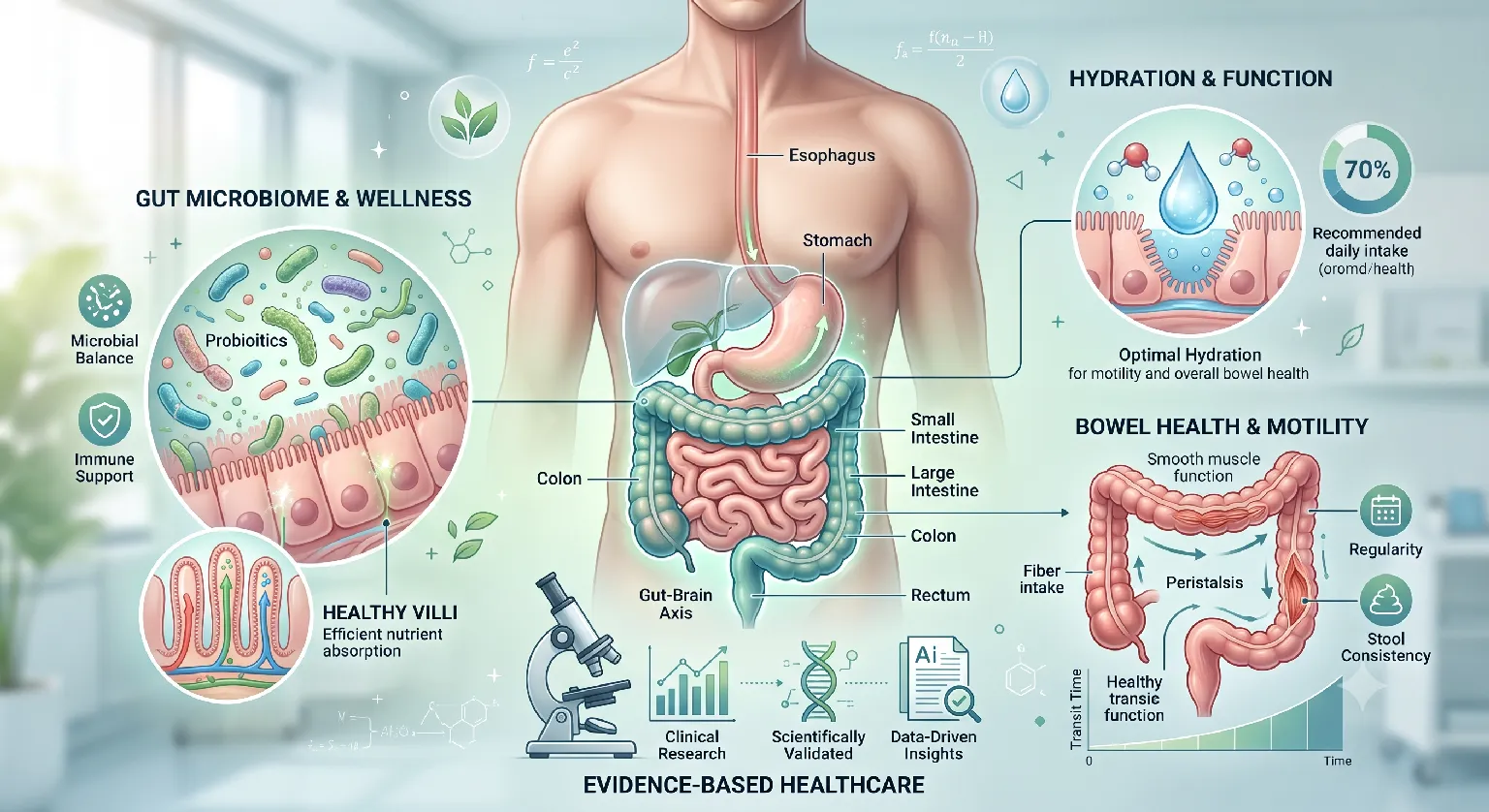
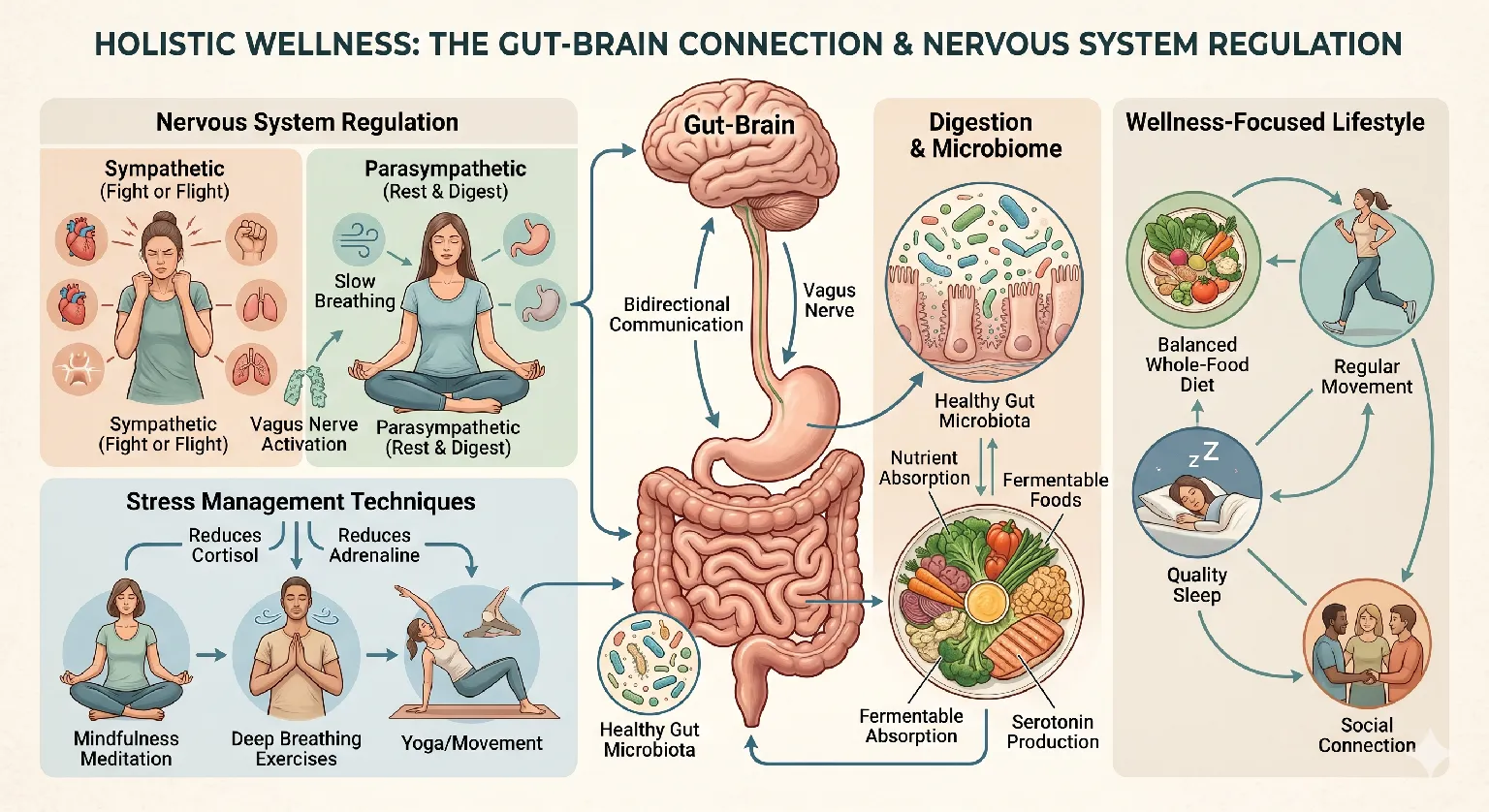
The digestive system and nervous system communicate constantly through the gut-brain connection.
Stress may influence:
- Digestion
- Appetite
- Sleep quality
- Bowel regularity
- Inflammation balance
- Gut bacteria
During stressful or physically demanding periods, some individuals may experience:
- Bloating
- Digestive discomfort
- Fatigue
- Food sensitivities
- Brain fog
- Changes in appetite
Healthy recovery habits may help support digestive balance naturally.
Daily Habits That Support Recovery
Simple wellness habits often provide meaningful support during stressful seasons.
Helpful practices may include:
- Drinking enough water
- Prioritizing sleep
- Eating balanced meals consistently
- Including adequate protein
- Gentle movement when appropriate
- Stress reduction practices
- Supporting bowel regularity
- Spending time outdoors
Small consistent habits often create long-term wellness benefits.
Supporting the Nervous System
The nervous system plays an important role in recovery and overall wellness.
Helpful practices that may support relaxation include:
- Deep breathing
- Meditation
- Gentle stretching
- Walking outdoors
- Mindfulness practices
- Reducing overstimulation
- Prioritizing rest and recovery
Supporting the body’s “rest-and-digest” state may help improve overall resilience.
Nutrition During Stressful Seasons
Stressful periods often increase reliance on convenience foods, caffeine, and irregular eating habits.
Balanced nutrition may help support:
- Energy levels
- Blood sugar balance
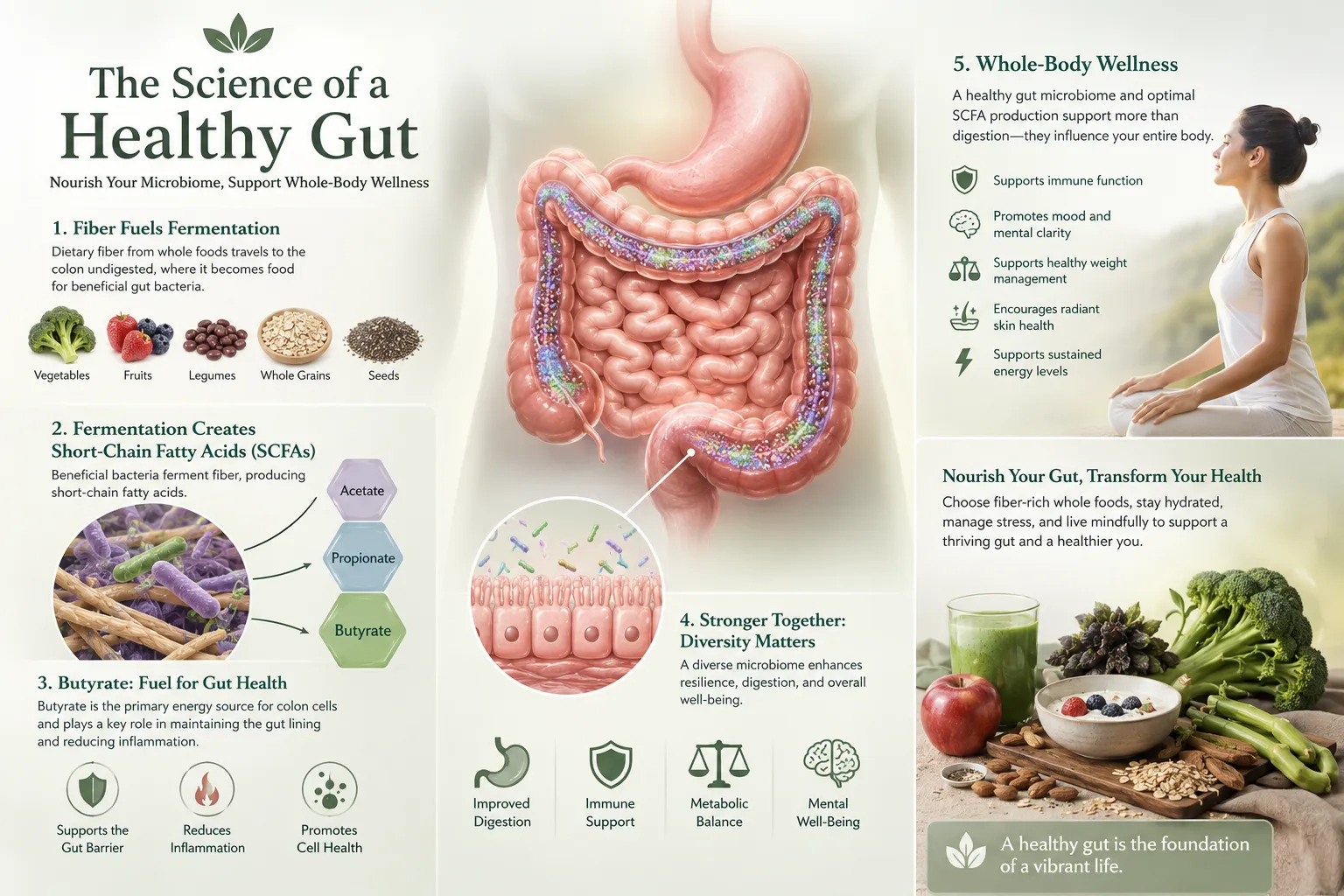
- Digestive wellness
- Immune balance
- Recovery processes
Helpful foods may include:
- Protein-rich meals
- Hydrating foods
- Anti-inflammatory foods
- Fiber-rich vegetables
- Mineral-rich whole foods
Gentle Wellness Support During Recovery
Healing does not require perfection. Gentle and sustainable wellness habits often create the greatest long-term benefits.
Helpful supportive practices may include:
- Staying hydrated
- Improving sleep quality
- Reducing toxic exposures gradually
- Managing stress
- Supporting digestion naturally
- Allowing time for rest and recovery
Supporting the body compassionately may help improve resilience over time.
Conclusion
Stressful seasons, injuries, and life challenges are normal parts of life. Healthy daily habits may help support digestion, nervous system balance, and overall wellness naturally during recovery.
Small, sustainable wellness practices often create meaningful long-term support for both the body and mind.
Can Stress and Injury Affect Digestion?
Stress, injury, illness, and nervous system imbalance may affect digestion, inflammation balance, bowel regularity, sleep, and overall wellness through the gut-brain connection.
Ready to Support Your Wellness Naturally?
Healthy daily habits may help support digestion, recovery, and overall well-being naturally.