
Introduction
Gut health is influenced by more than food choice. The body follows a roughly 24-hour circadian rhythm, and digestive organs and gut microbes show daily patterns of activity. Sleep timing, light exposure, meals, and work schedules can all interact with these rhythms.
The Body’s Internal Timing System
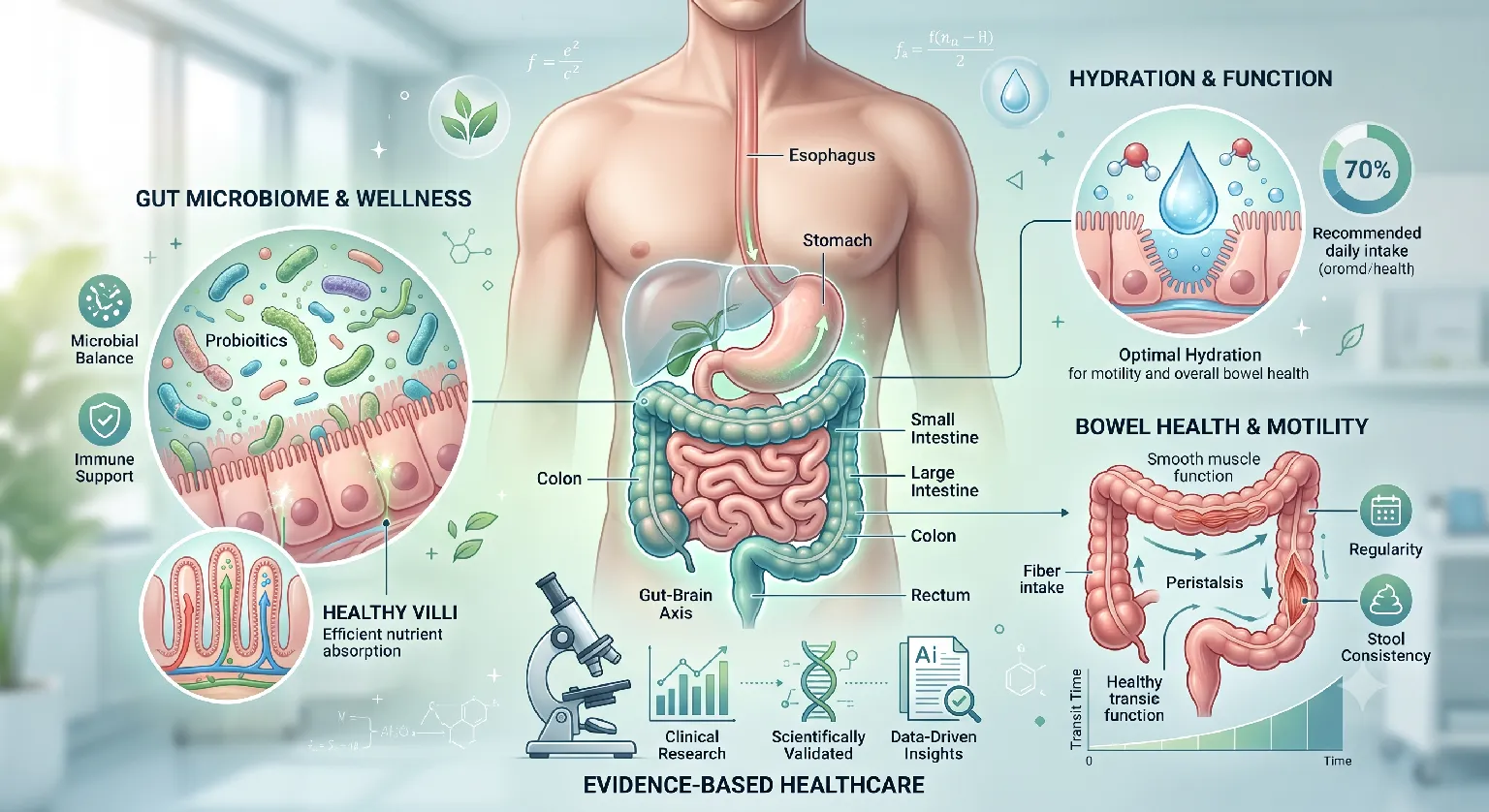
A central clock in the brain responds strongly to light and darkness, while tissues throughout the body have local timing systems. In the digestive tract, daily rhythms are involved in processes such as movement, secretion, and intestinal function. Gut microbes also show daily fluctuations, although the exact patterns vary with diet and other factors.
Sleep and Meal Timing
Irregular sleep, shift work, and frequent late-night eating may disturb normal daily routines. Research continues to explore how these patterns relate to metabolic health and the microbiome. These associations do not mean that one late meal will damage gut health, nor do they prove that a strict schedule is necessary for everyone.
Simple Habits to Consider
Try keeping a reasonably consistent sleep and wake time, getting daylight in the morning when practical, eating regular meals that meet your nutritional needs, and including movement in your day. A steady routine is usually more sustainable than trying to follow a perfect schedule.
Personalize the Approach
Work schedules, caregiving, medications, and medical conditions can make routines difficult. Avoid treating timing advice as a substitute for appropriate care. If digestive symptoms persist, discuss them with a healthcare professional.
Conclusion
The circadian system is one piece of digestive health. Consistency in sleep, light exposure, meals, and activity may support healthy daily rhythms, but individual needs differ and research is still developing.
Medical information notice: This article is for educational purposes only and does not diagnose, treat, cure, or prevent disease. Consult an appropriately licensed healthcare professional for personal medical advice.
References
Thaiss, C. A., Zeevi, D., Levy, M., Zilberman-Schapira, G., Suez, J., Tengeler, A. C., … & Elinav, E. (2014). Transkingdom control of microbiota diurnal oscillations promotes metabolic homeostasis. Cell, 159(3), 514–529. https://doi.org/10.1016/j.cell.2014.09.048
Voigt, R. M., Summa, K. C., Forsyth, C. B., Green, S. J., Engen, P., Naqib, A., … & Keshavarzian, A. (2016). The circadian clock mutation promotes intestinal dysbiosis. Alcoholism: Clinical and Experimental Research, 40(2), 335–347. https://doi.org/10.1111/acer.12943
Zarrinpar, A., Chaix, A., Yooseph, S., & Panda, S. (2014). Diet and feeding pattern affect the diurnal dynamics of the gut microbiome. Cell Metabolism, 20(6), 1006–1017. https://doi.org/10.1016/j.cmet.2014.11.008