Introduction
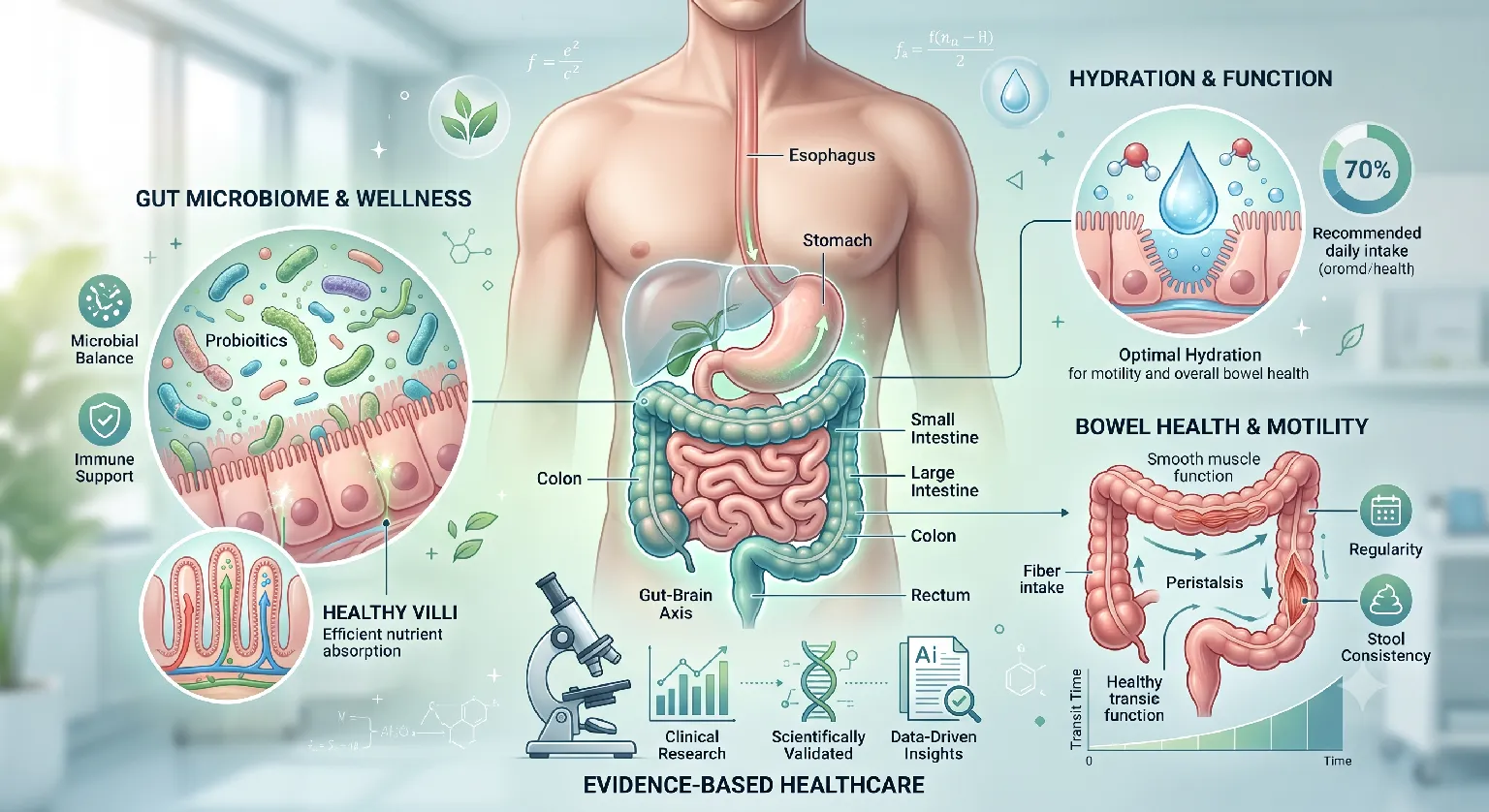
Digestion does not stop the moment a meal has passed through the stomach. Between meals, the digestive tract has recurring patterns of muscular activity, including the migrating motor complex (MMC). Researchers often describe it as a housekeeping pattern because it helps move residual material through the stomach and small intestine.
How the MMC Works
The MMC occurs during fasting periods and differs from the muscular contractions that mix and move food during digestion. Its phases repeat over time, although timing varies. Eating interrupts the fasting pattern, and the digestive system shifts back toward processing the meal.
Why Motility Matters
Normal movement helps coordinate the passage of intestinal contents. Research has linked altered gastrointestinal motility with several digestive conditions, but the MMC is only one part of a complex system. It is not accurate to assume that every digestive symptom is caused by a disrupted MMC or that meal timing alone can resolve a condition.
Everyday Factors
Sleep, stress, medications, meal patterns, and underlying health conditions may affect digestive function. Regular movement, adequate hydration, sufficient nourishment, and consistent sleep are reasonable foundations for general wellness. Some people may benefit from leaving comfortable intervals between meals, but frequent meals can be appropriate or necessary for others.
Avoid One-Size-Fits-All Rules
There is no universal fasting schedule that suits everyone. People with medical conditions, a history of disordered eating, pregnancy, or specific nutritional requirements should seek individualized advice before making major changes to meal timing.
Takeaway
The MMC is a normal part of gut motility, not a detox technique. Understanding it can help explain why the digestive tract has activity between meals, but symptoms that persist deserve proper assessment rather than a restrictive protocol.
Medical information notice: This article is for educational purposes only and does not diagnose, treat, cure, or prevent disease. Consult an appropriately licensed healthcare professional for personal medical advice.
References
Camilleri, M., Chedid, V., Ford, A. C., Haruma, K., Horowitz, M., Jones, K. L., … & Park, S. Y. (2018). Gastroparesis. Nature Reviews Disease Primers, 4(1), 41. https://doi.org/10.1038/s41572-018-0038-z
Deloose, E., Janssen, P., Depoortere, I., & Tack, J. (2012). The migrating motor complex: Control mechanisms and its role in health and disease. Nature Reviews Gastroenterology & Hepatology, 9(5), 271–285. https://doi.org/10.1038/nrgastro.2012.57
Pimentel, M., Rezaie, A., Rao, S. S. C., Park, S., Bhagatwala, J., Barlow, G. M., … & Weitsman, S. (2020). The American College of Gastroenterology Clinical Guideline for Small Intestinal Bacterial Overgrowth. The American Journal of Gastroenterology, 115(2), 165–178. https://doi.org/10.14309/ajg.0000000000000501