
Introduction
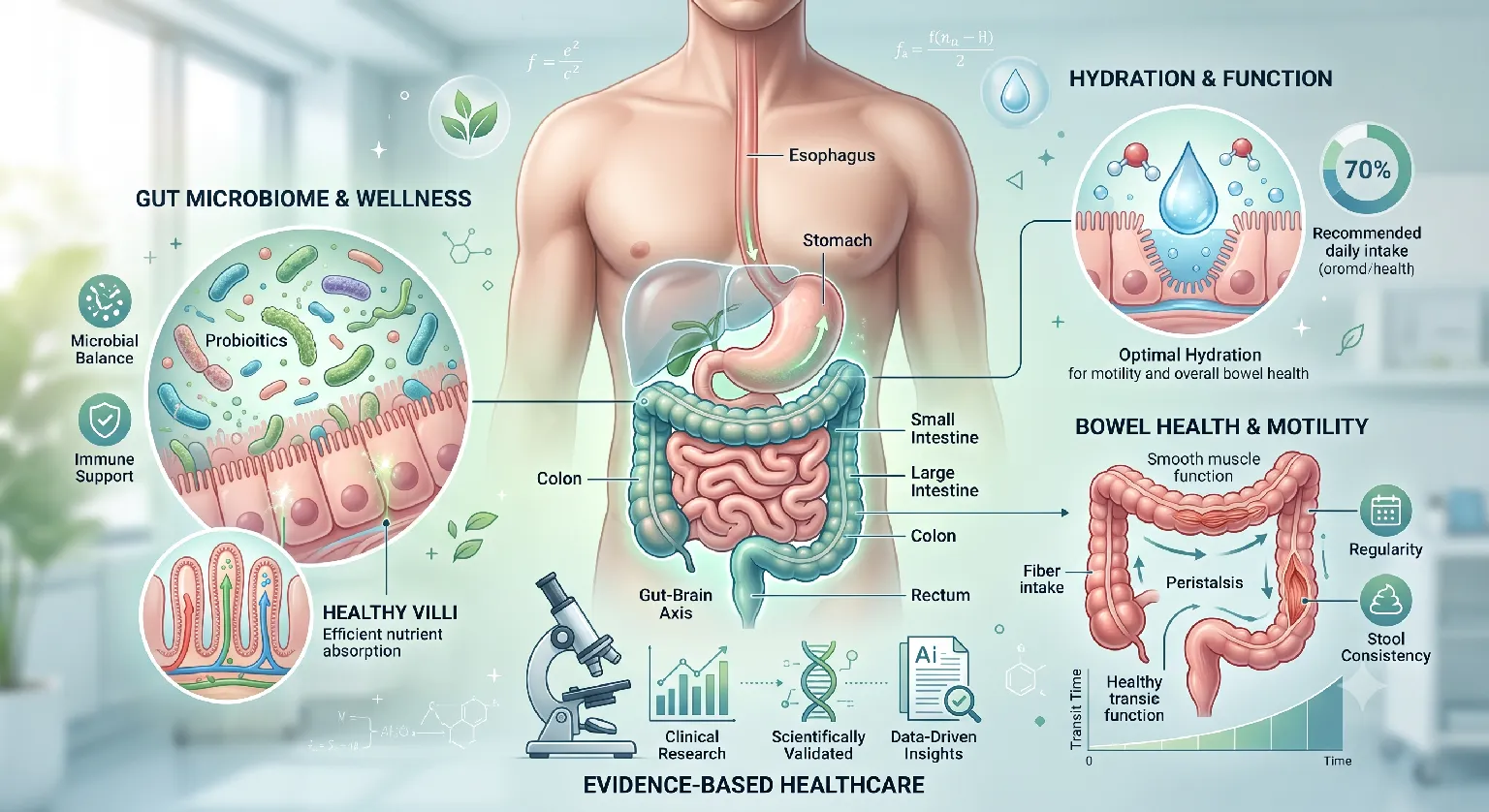
Bowel regularity is an important part of digestive comfort, but there is no single schedule that is right for everyone. Frequency matters, yet stool consistency, straining, urgency, and the feeling of complete evacuation also provide useful context. A person’s usual pattern can vary with diet, hydration, activity, stress, medications, and daily routine.
Look Beyond Frequency
Some people have bowel movements several times a day, while others go less often. A change from your usual pattern, persistent straining, hard stools, or a repeated feeling of incomplete evacuation may be more useful signals than a number alone. Ongoing or severe changes should be discussed with a qualified healthcare professional.
Build the Foundations
Hydration can help maintain stool consistency, while fiber from vegetables, fruit, legumes, whole grains, nuts, and seeds supports bowel function and provides fuel for gut microbes. Increase fiber gradually and consider individual tolerance, especially if you already experience significant bloating or have a digestive condition. Regular walking and other movement may also support normal gastrointestinal motility.
Stress, Sleep, and Routine
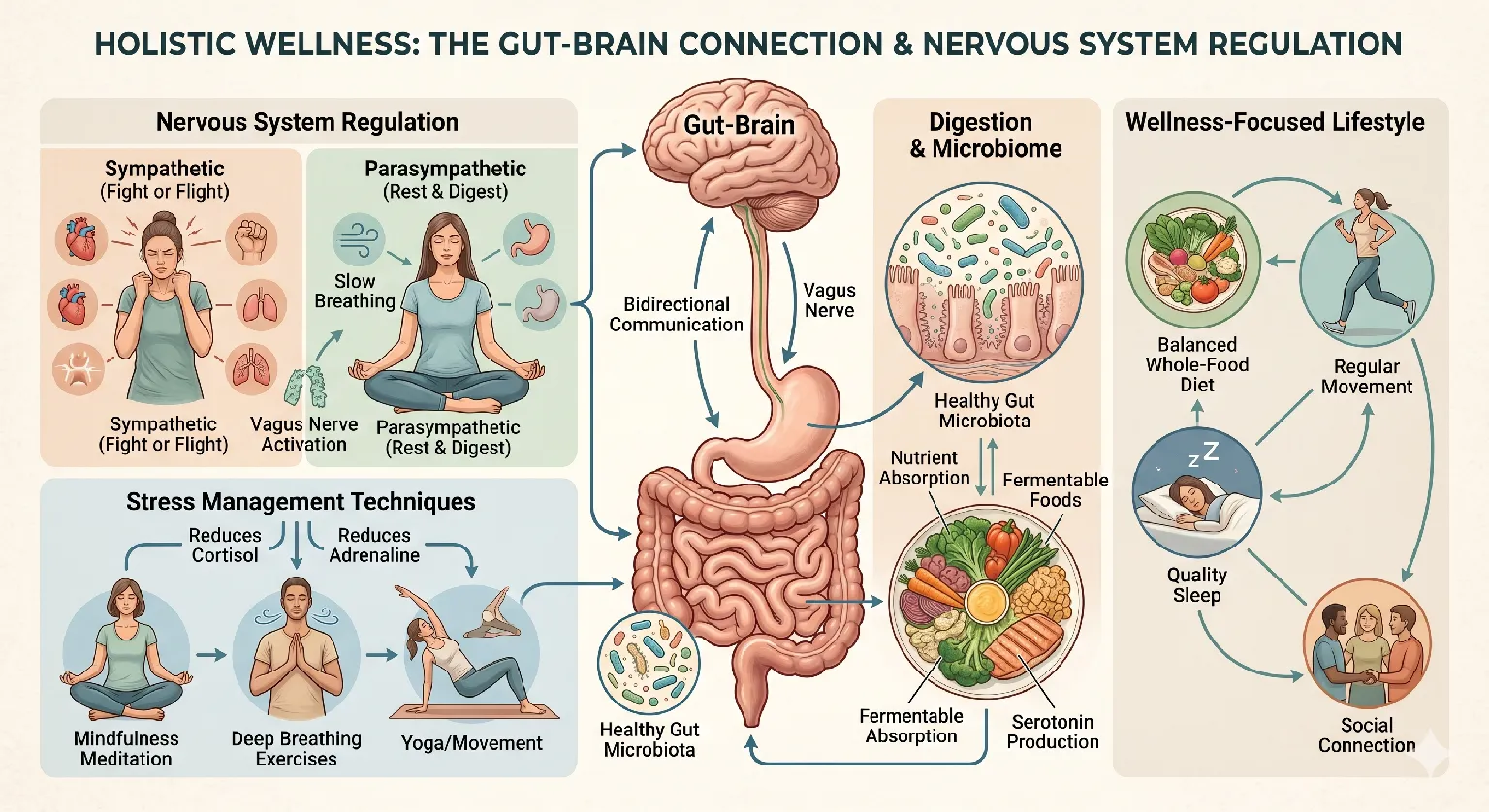
The gut and nervous system communicate continuously. Stress can affect how digestion feels and how the bowel moves for some people. Consistent sleep, mindful meals, movement, and simple stress-management practices can be useful parts of a realistic routine. Medication changes, travel, and disrupted schedules can also influence bowel habits.
Where Wellness Services Fit
Some people explore colon hydrotherapy as part of a broader wellness plan. Research on colon hydrotherapy remains limited, and it should not be presented as a cure or substitute for medical care. Suitability varies, so discuss medical concerns and contraindications with an appropriately qualified professional before considering a procedure.
Key Takeaway
Healthy elimination is supported by several interacting factors rather than one supplement or treatment. Focus on sustainable habits, pay attention to changes in your normal pattern, and seek medical evaluation for persistent symptoms or warning signs. This article is educational and is not a diagnosis or treatment plan.
Medical information notice: This article is for educational purposes only and does not diagnose, treat, cure, or prevent disease. Consult an appropriately licensed healthcare professional for personal medical advice.
References
Bharucha, A. E., & Lacy, B. E. (2020). Mechanisms, evaluation, and management of chronic constipation. Gastroenterology, 158(5), 1232–1249. https://doi.org/10.1053/j.gastro.2019.12.034
Cryan, J. F., O’Riordan, K. J., Cowan, C. S. M., Sandhu, K. V., Bastiaanssen, T. F. S., Boehme, M., … & Dinan, T. G. (2019). The microbiota-gut-brain axis. Physiological Reviews, 99(4), 1877–2013.
Foster, J. A., & McVey Neufeld, K. A. (2013). Gut-brain axis: How the microbiome influences anxiety and depression. Trends in Neurosciences, 36(5), 305–312.
Rao, S. S. C., Rattanakovit, K., & Patcharatrakul, T. (2016). Diagnosis and management of chronic constipation in adults. Nature Reviews Gastroenterology & Hepatology, 13(5), 295–305.