
Introduction
The gut microbiome is shaped by many factors, including diet, medications, environment, and individual health. Food can influence the microbes living in the digestive tract, but there is no single menu that produces the same result for everyone. A practical goal is dietary variety that also respects tolerance and nutritional needs.
Why Plant Variety Matters
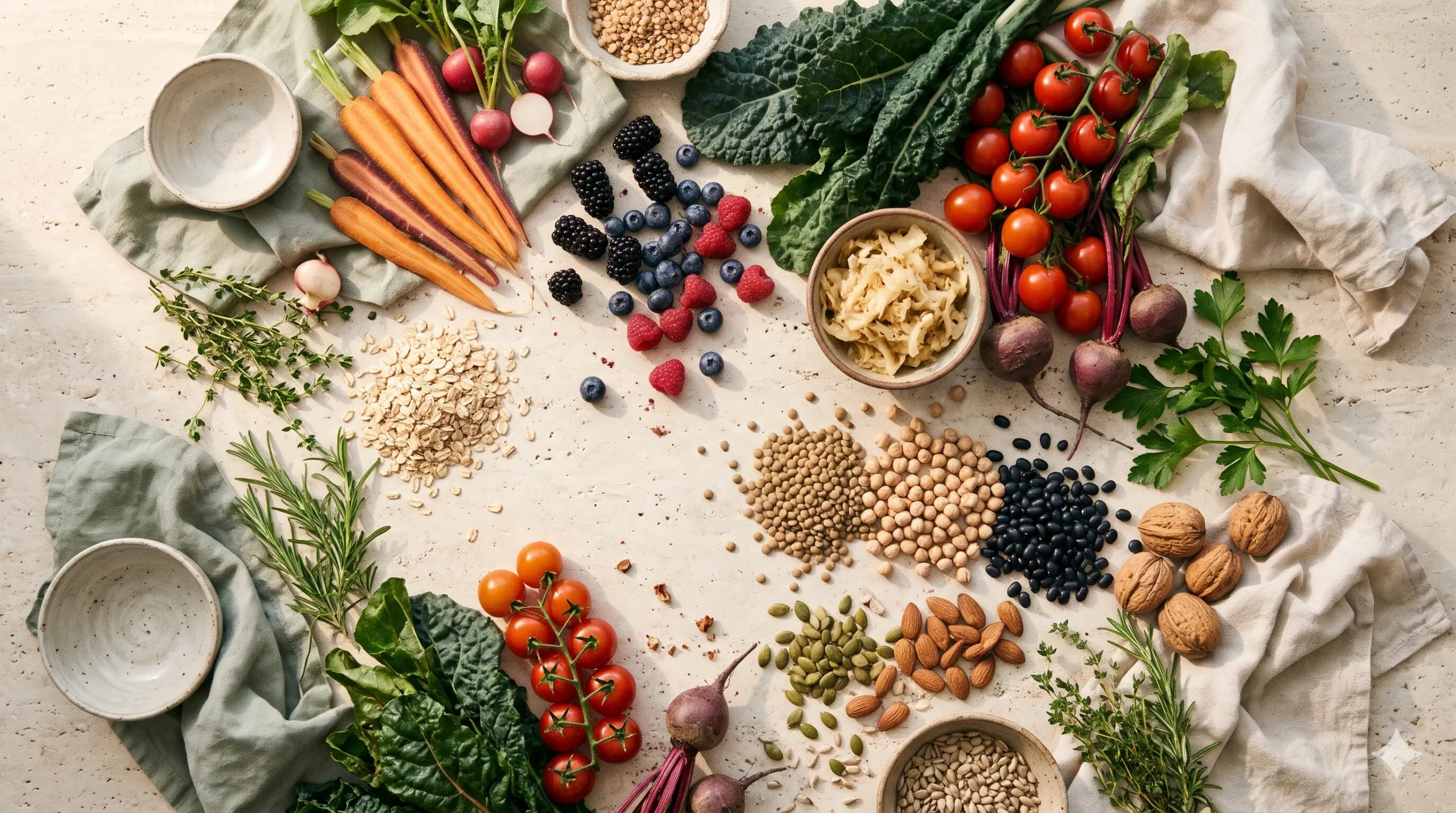
Vegetables, fruits, legumes, whole grains, nuts, seeds, herbs, and spices provide different fibers and plant compounds. Some fibers are fermented by gut microbes, producing short-chain fatty acids such as acetate, propionate, and butyrate. These compounds participate in processes that help maintain the intestinal environment.
Fermented Foods: Optional, Not Mandatory
Some research in healthy adults has found changes in microbiome diversity and inflammatory markers during diets rich in fermented foods. That does not mean fermented foods treat a disease or benefit everyone. Start with small portions if appropriate, and avoid foods that worsen symptoms or conflict with medical guidance.
Build Variety Gradually
Rotate foods across the week rather than relying on a single ‘superfood.’ Increase fiber gradually and drink adequate fluids, especially if constipation is an issue. People with significant bloating, active diarrhea, strictures, or other gastrointestinal conditions may need tailored advice about fiber type and amount.
Food Is Not a Parasite Treatment
Nutrition can support adequate energy intake, hydration, and general health during and after illness, but it does not replace indicated antiparasitic medication. Persistent symptoms after treatment deserve reassessment rather than automatically adding supplements or restrictive diets.
Conclusion
The most useful eating pattern is nourishing, realistic, varied, and suited to the individual. If you have a medical condition or are following a treatment plan, follow personalized clinical guidance. This article is educational and is not a substitute for medical care.
Medical information notice: This article is for educational purposes only and does not diagnose, treat, cure, or prevent disease. Consult an appropriately licensed healthcare professional for personal medical advice.
References
Wastyk, H. C., et al. (2021). Gut microbiota-targeted diets modulate human immune status. Cell, 184(16), 4137-4153.e14. Source
Makki, K., Deehan, E. C., Walter, J., & Backhed, F. (2018). The impact of dietary fiber on gut microbiota in host health and disease. Cell Host and Microbe, 23(6), 705-715. Source
Fragiadakis, G. K., et al. (2020). Long-term dietary intervention reveals resilience of the gut microbiota despite changes in diet and weight. American Journal of Clinical Nutrition, 111(6), 1127-1136. Source
National Human Genome Research Institute. (2026). Microbiome. Source
Important Health Information
This article is for educational purposes and does not diagnose, treat, or replace medical care. Parasite testing and treatment decisions should be made with an appropriately licensed healthcare professional. Seek prompt medical care for severe or persistent diarrhea, blood in the stool, fever, dehydration, severe abdominal pain, unexplained weight loss, or symptoms after significant travel or exposure.