What Is the Gut Barrier?
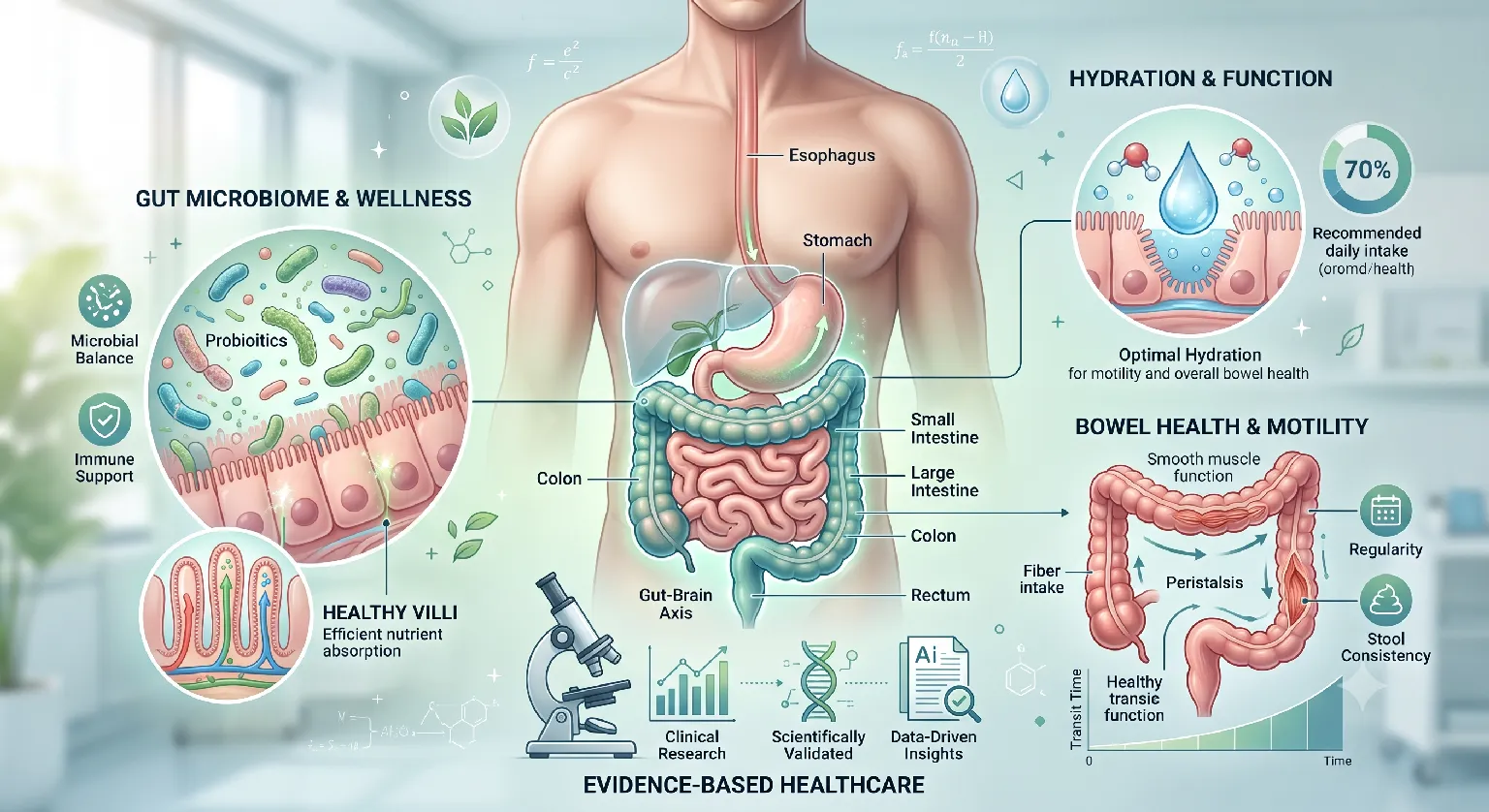
The gut barrier is a complex system designed to regulate what enters the bloodstream from the digestive tract.
It includes:
- Epithelial cells
- Tight junction proteins
- Mucus layers
- Immune cells
- Beneficial microbes
Together, these components form a protective interface between the external environment (food, microbes, toxins) and the internal immune system.
A healthy gut barrier allows nutrients to pass while blocking harmful substances.
Components of the Intestinal Barrier
Tight junction proteins
These structures act as gatekeepers between intestinal cells, controlling permeability.
Mucosal layer
The mucus layer provides physical protection and supports beneficial bacteria.
Microbiome
Beneficial microbes help regulate inflammation, produce vitamins, and maintain barrier stability.
Immune cells
The gut-associated lymphoid tissue (GALT) plays a key role in immune defense.
Approximately 70% of immune cells are located in the gastrointestinal tract, highlighting the importance of gut integrity.
Why Gut Barrier Health Matters
Compromised barrier function may influence:
- Immune activation
- Food sensitivities
- Chronic inflammation
- Digestive symptoms
- Metabolic health
Barrier dysfunction may contribute to symptoms such as:
- Bloating
- Gas
- Irregular bowel movements
- Fatigue
- Skin concerns
Maintaining barrier integrity helps support immune tolerance and digestive balance.
Nutrition Strategies to Support the Gut Barrier
Polyphenol-rich foods
Polyphenols help support microbial diversity and reduce oxidative stress.
Examples:
- Berries
- Green tea
- Olives
- Herbs
Resistant starch
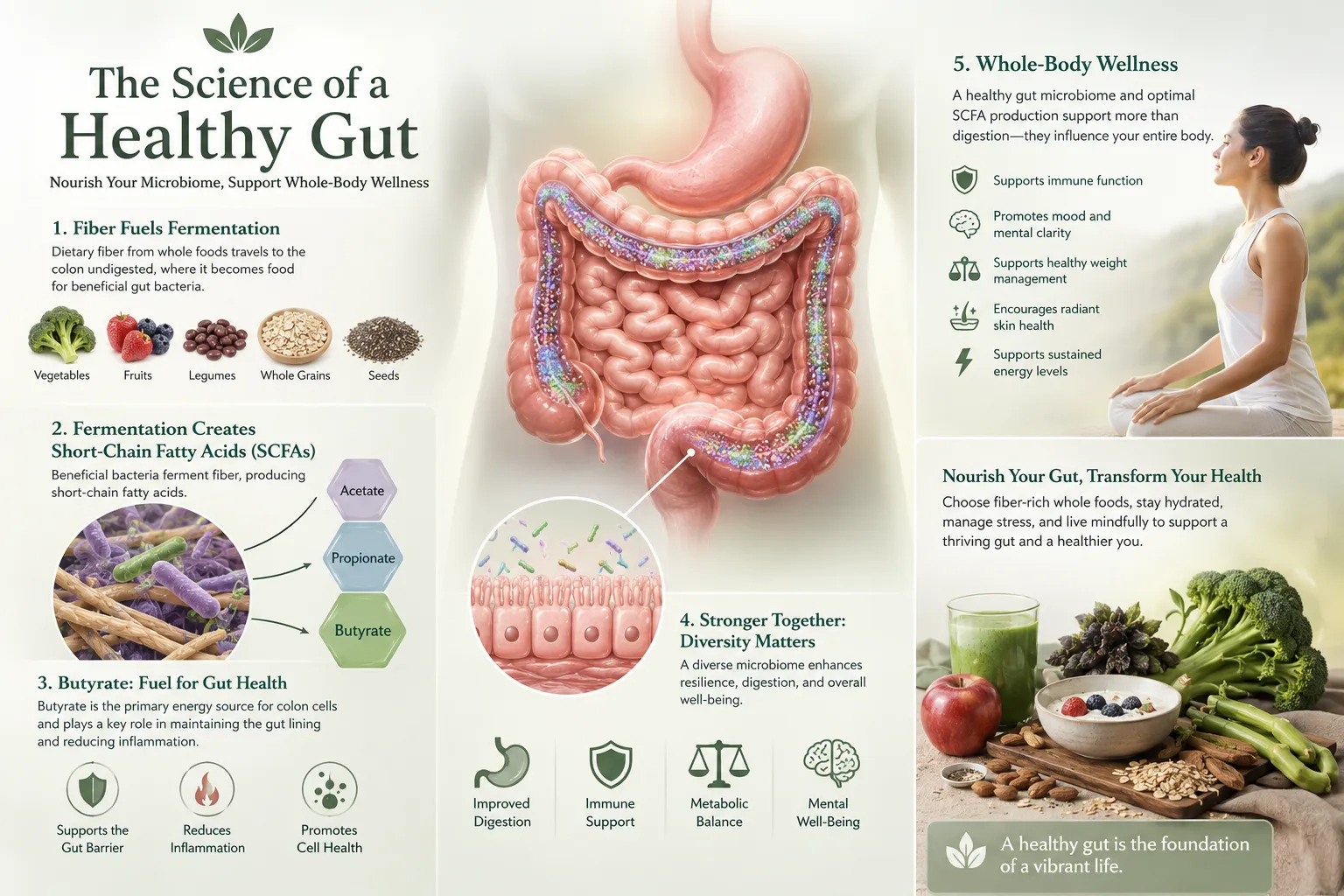
Supports production of short-chain fatty acids such as butyrate.
Examples:
- Green bananas
- Cooked and cooled potatoes
- Legumes
Soluble fiber
Supports beneficial bacteria and mucosal protection.
Examples:
- Oats
- Chia seeds
- Flaxseed
Amino acids
Certain amino acids play roles in epithelial repair processes.
Examples:
- Glutamine-containing foods
- Collagen-containing foods
- Legumes
Lifestyle Factors That Influence Barrier Function
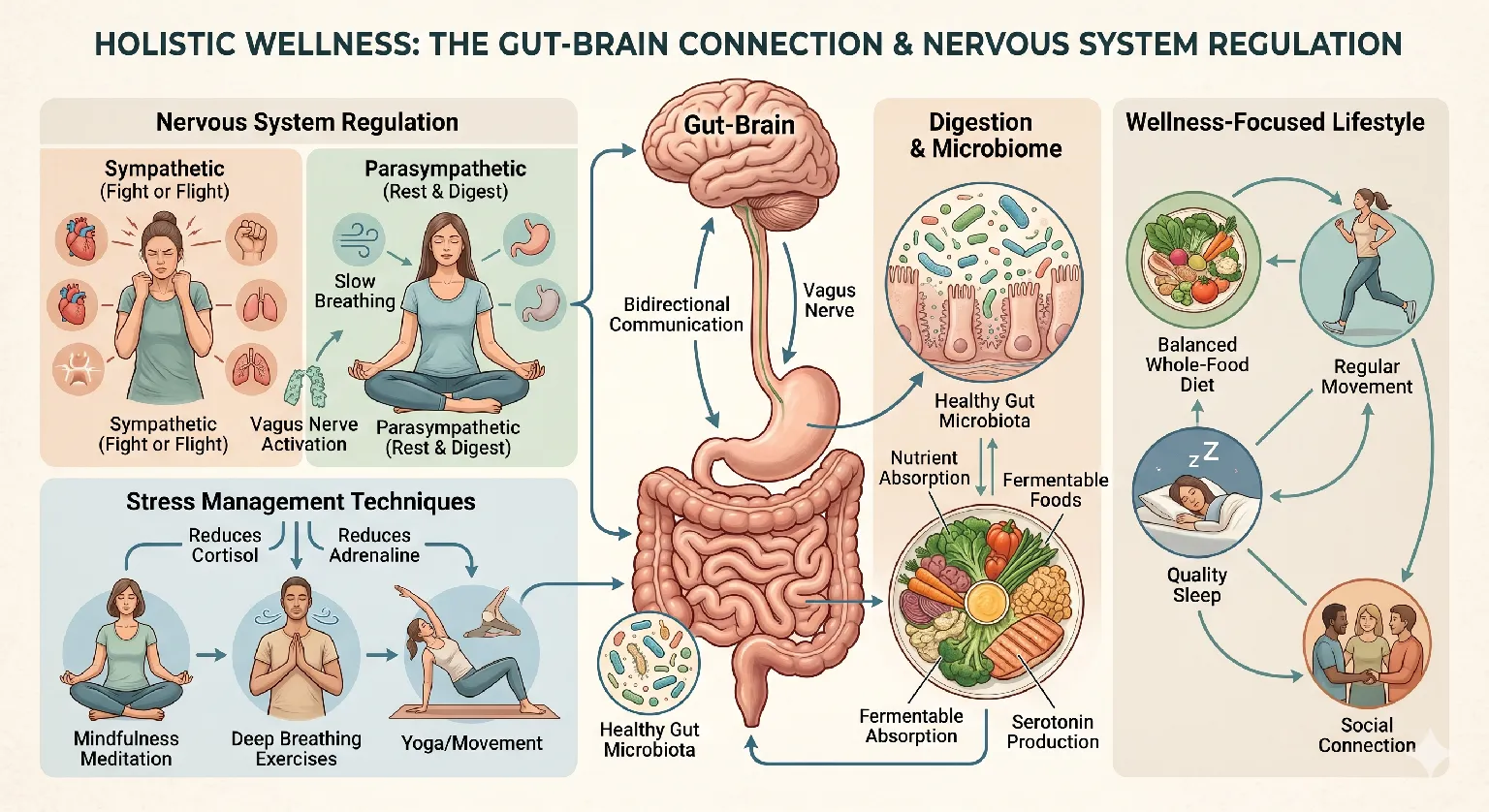
Stress regulation
Chronic stress may influence digestive signaling and immune response.
Sleep quality
Sleep supports tissue repair and immune balance.
Movement
Physical activity supports circulation and lymphatic flow.
Digestive support
Proper chewing and meal timing support digestive efficiency.
Functional and Integrative Approach
A comprehensive approach to gut barrier health includes:
- Nutrition therapy
- Digestive support strategies
- Microbiome assessment when appropriate
- Lifestyle modification
Supporting barrier integrity is an important component of long-term gut health and overall wellness.
Summary
The gut barrier plays a central role in digestion, immune balance, and inflammation regulation.
Supporting the intestinal lining through nutrition, lifestyle interventions, and microbiome balance may promote overall health resilience.
References (APA Format)
Turner, J. R. (2009). Intestinal mucosal barrier function in health and disease. Nature Reviews Immunology, 9(11), 799–809. https://doi.org/10.1038/nri2653
Valdes, A. M., Walter, J., Segal, E., & Spector, T. D. (2018). Role of the gut microbiota in nutrition and health. BMJ, 361, k2179. https://doi.org/10.1136/bmj.k2179
Vancamelbeke, M., & Vermeire, S. (2017). The intestinal barrier: A fundamental role in health and disease. Expert Review of Gastroenterology & Hepatology, 11(9), 821–834. https://doi.org/10.1080/17474124.2017.1343143