What Is Gut Permeability?
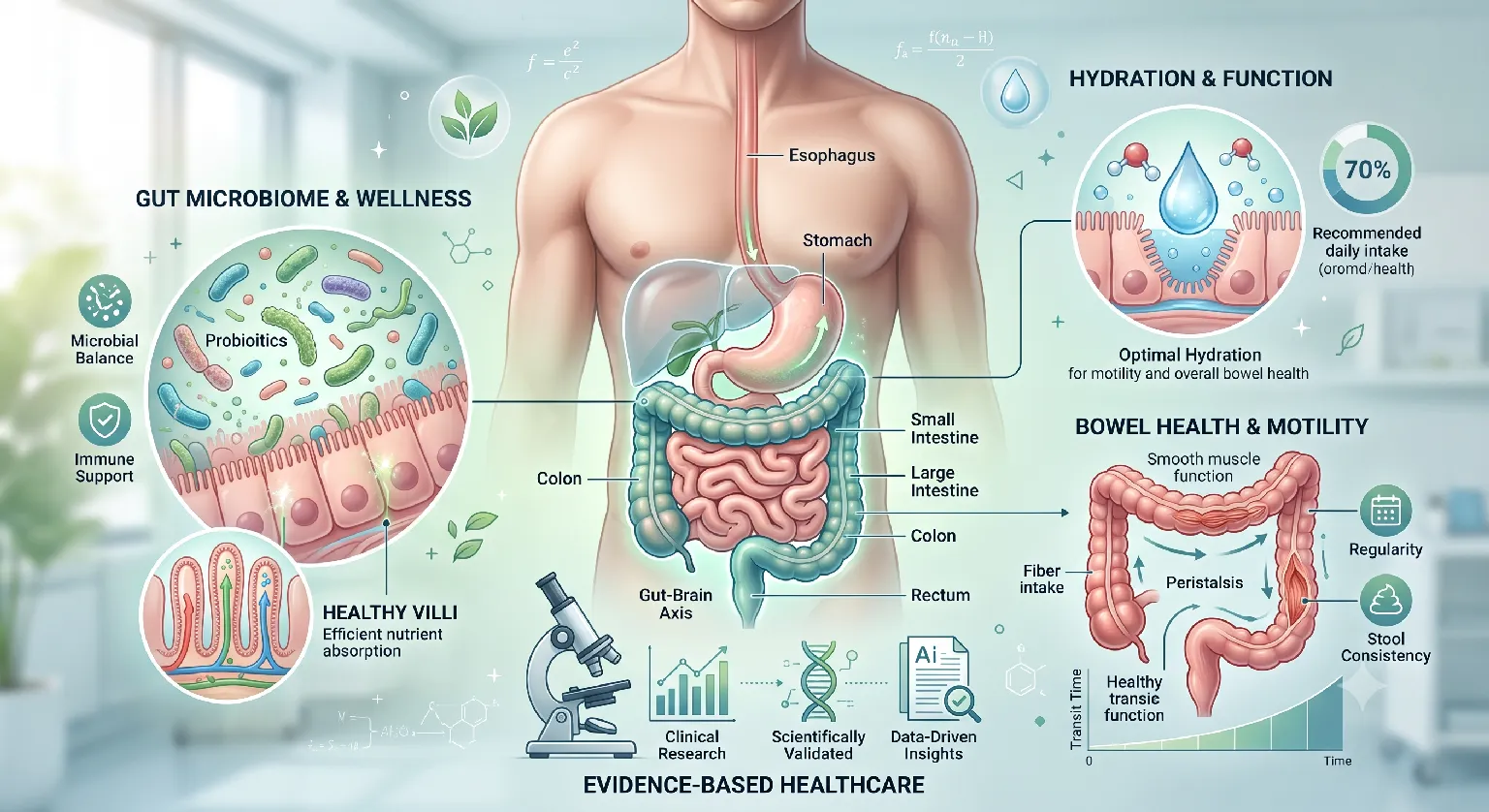
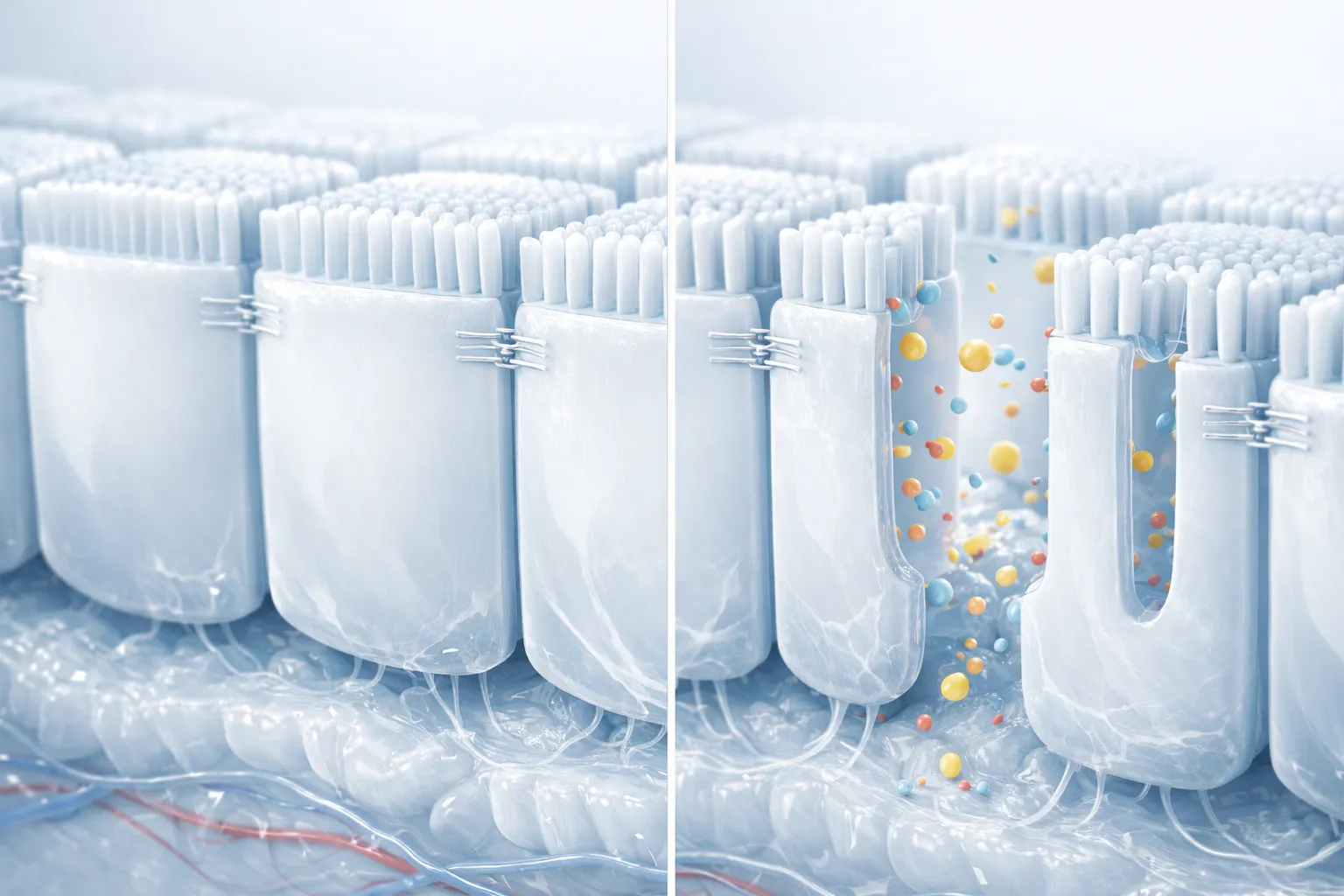
Gut permeability refers to how easily substances pass through the intestinal lining into the bloodstream. The intestinal barrier is designed to allow beneficial nutrients, electrolytes, and water to pass through while preventing toxins, pathogens, and undigested food particles from entering circulation.
The lining of the small intestine is composed of tightly connected epithelial cells that form a selective barrier. When functioning optimally, this barrier maintains immune balance and supports proper digestion and absorption.
However, certain factors may disrupt this protective barrier, leading to increased intestinal permeability, commonly referred to as “leaky gut.”
When permeability increases, substances such as lipopolysaccharides (LPS), microbes, and partially digested food particles may enter systemic circulation, potentially contributing to inflammation and immune activation.
Why Gut Barrier Function Matters
The intestinal barrier plays a central role in:
- Immune regulation
- Nutrient absorption
- Inflammation control
- Microbiome balance
- Metabolic health
Research shows that increased intestinal permeability may be associated with various conditions, including:
- Irritable bowel syndrome (IBS)
- Autoimmune conditions
- Metabolic disorders
- Food sensitivities
- Chronic inflammation
The gut barrier acts as both a digestive and immune interface, making its integrity essential for overall wellness.
Factors That May Contribute to Increased Gut Permeability
Diet patterns
Diets high in ultra-processed foods and low in fiber diversity may negatively impact the microbiome.
Chronic stress
Stress hormones can influence intestinal tight junction signaling and microbial balance.
Dysbiosis
Microbial imbalance may alter protective mucosal function.
Inflammation
Inflammatory signaling pathways can influence epithelial integrity.
Environmental exposures
Alcohol, certain medications, and toxins may disrupt epithelial tight junctions.
Supporting Gut Barrier Function
Evidence-based strategies to support gut integrity include:
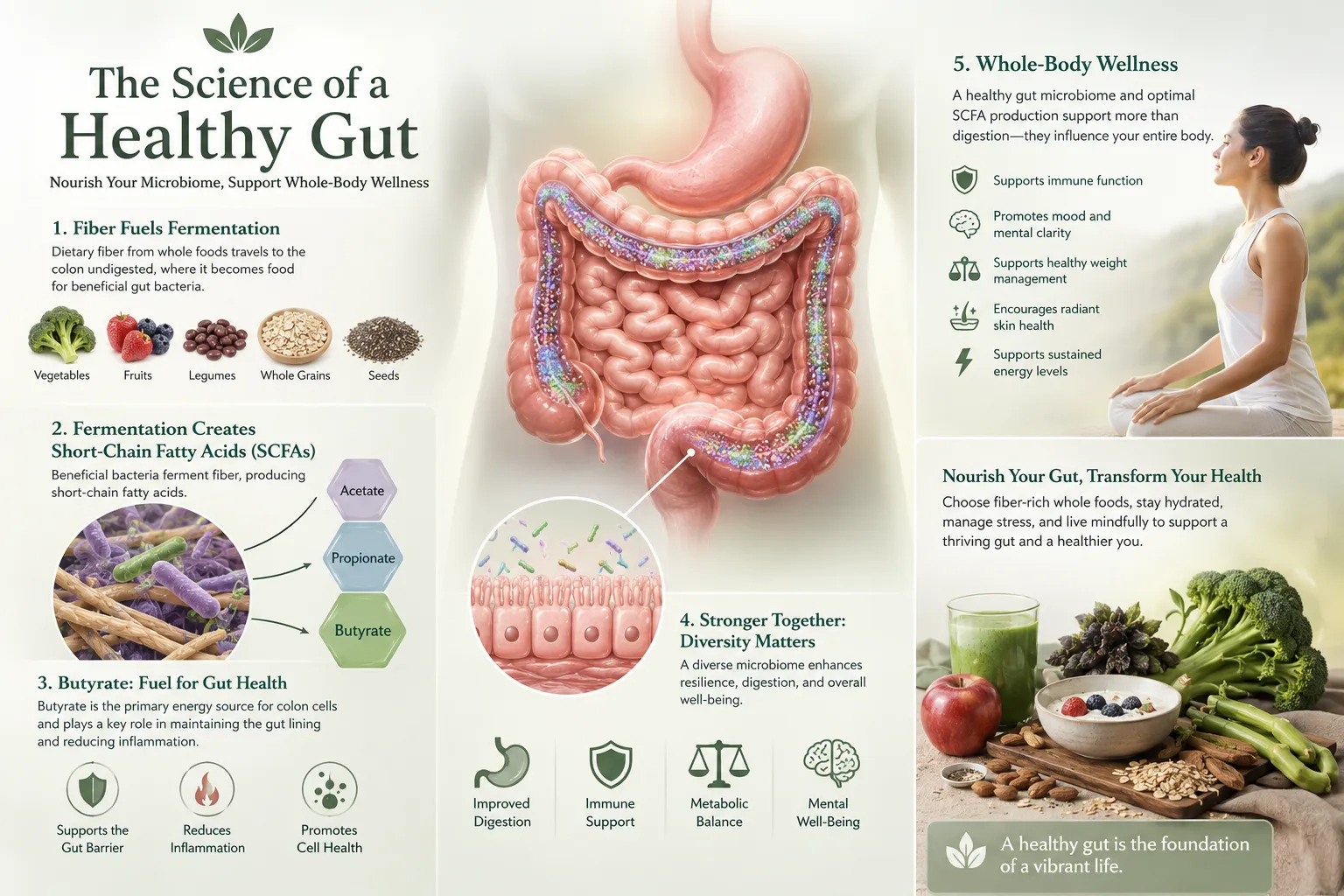
Increasing fiber diversity
A diverse intake of plant foods helps produce short-chain fatty acids such as butyrate, which support epithelial health.
Examples:
- Resistant starch foods
- Polyphenol-rich fruits
- Legumes
- Leafy greens
Supporting microbiome diversity
A diverse microbiome helps regulate immune signaling and mucosal protection.
Prioritizing digestion
Adequate chewing, mindful eating, and digestive support may improve nutrient absorption.
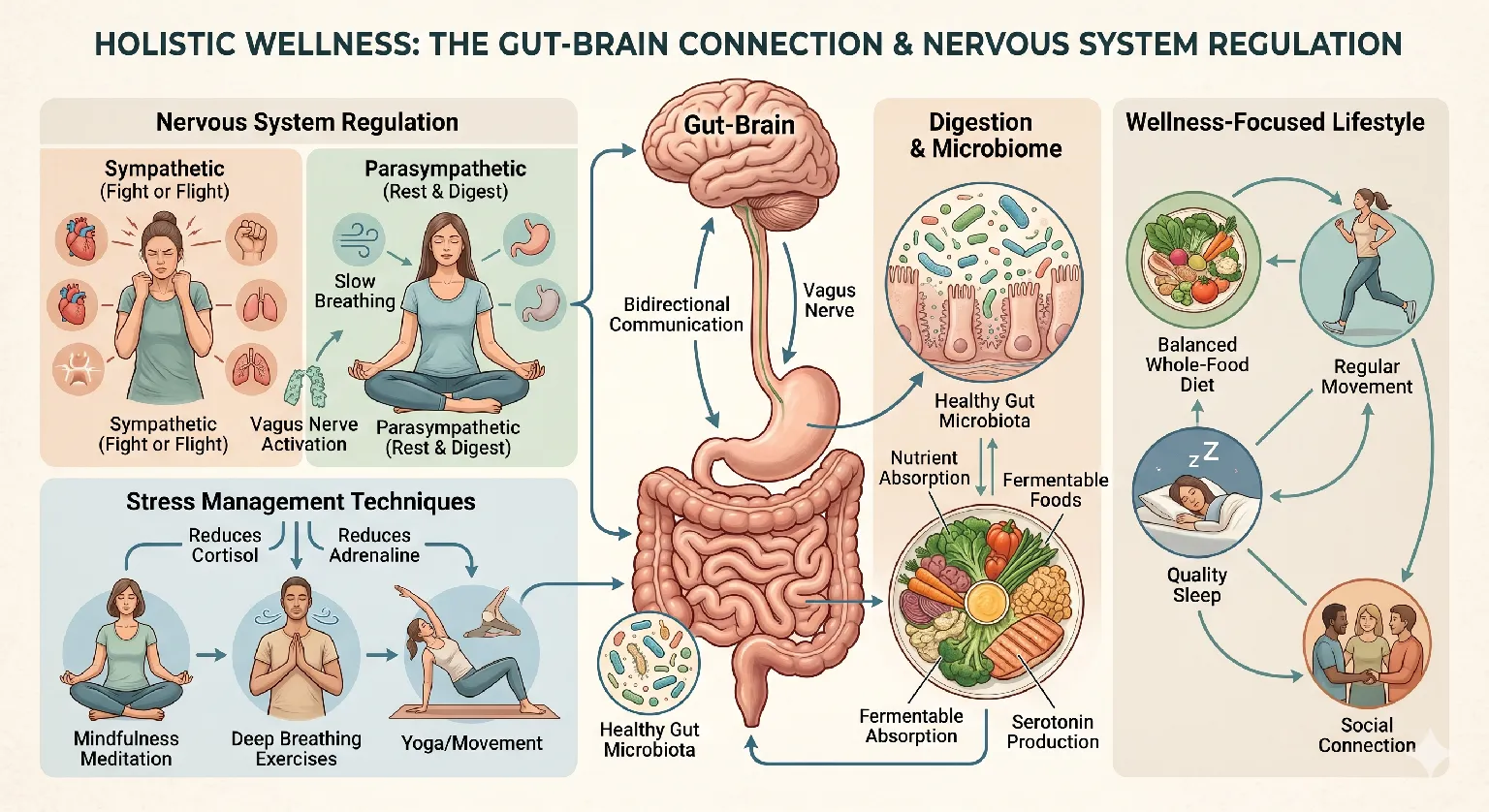
Managing stress
Nervous system balance plays an important role in digestive signaling.
Personalized functional testing
Functional lab testing may help identify microbial imbalances or digestive dysfunction contributing to symptoms.
The Functional Nutrition Perspective
From a functional perspective, gut permeability is not viewed as a diagnosis itself, but rather as a physiological process that may reflect underlying imbalances in digestion, microbiome composition, immune signaling, or environmental exposures.
Addressing root causes through nutrition, lifestyle interventions, and targeted support strategies may help promote barrier resilience and overall digestive health.
Summary
Gut permeability plays an important role in immune balance, inflammation regulation, and digestive function.
By supporting microbiome diversity, increasing fiber intake, managing stress, and addressing root causes, individuals may help promote intestinal barrier integrity and overall wellness.
References (APA Format)
Bischoff, S. C., Barbara, G., Buurman, W., Ockhuizen, T., Schulzke, J. D., Serino, M., … Wells, J. M. (2014). Intestinal permeability – a new target for disease prevention and therapy. BMC Gastroenterology, 14(1), 189. https://doi.org/10.1186/s12876-014-0189-7
Camilleri, M. (2019). Leaky gut: mechanisms, measurement and clinical implications in humans. Gut, 68(8), 1516–1526. https://doi.org/10.1136/gutjnl-2019-318427
Fasano, A. (2012). Intestinal permeability and its regulation by zonulin: diagnostic and therapeutic implications. Clinical Gastroenterology and Hepatology, 10(10), 1096–1100. https://doi.org/10.1016/j.cgh.2012.08.012