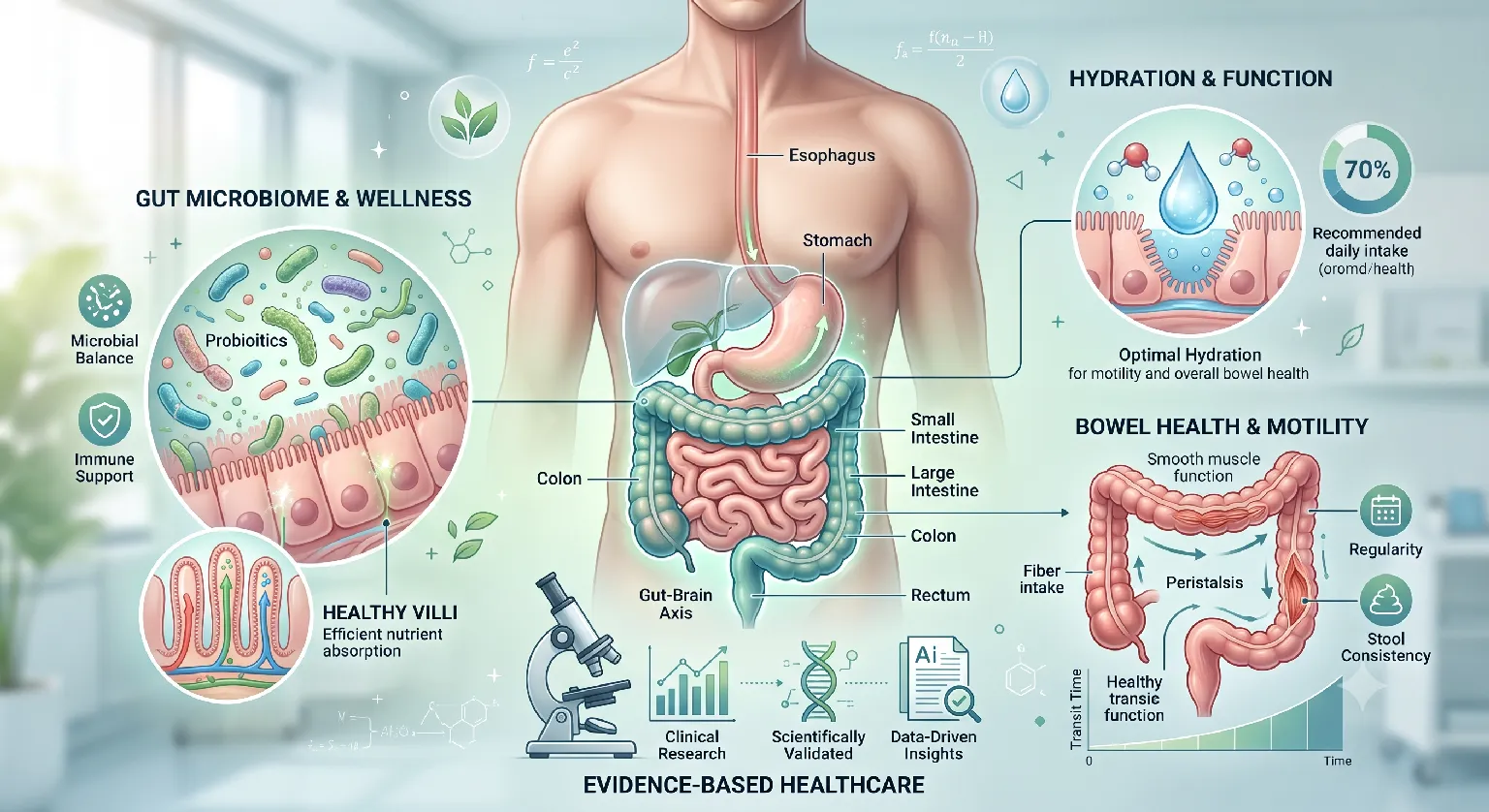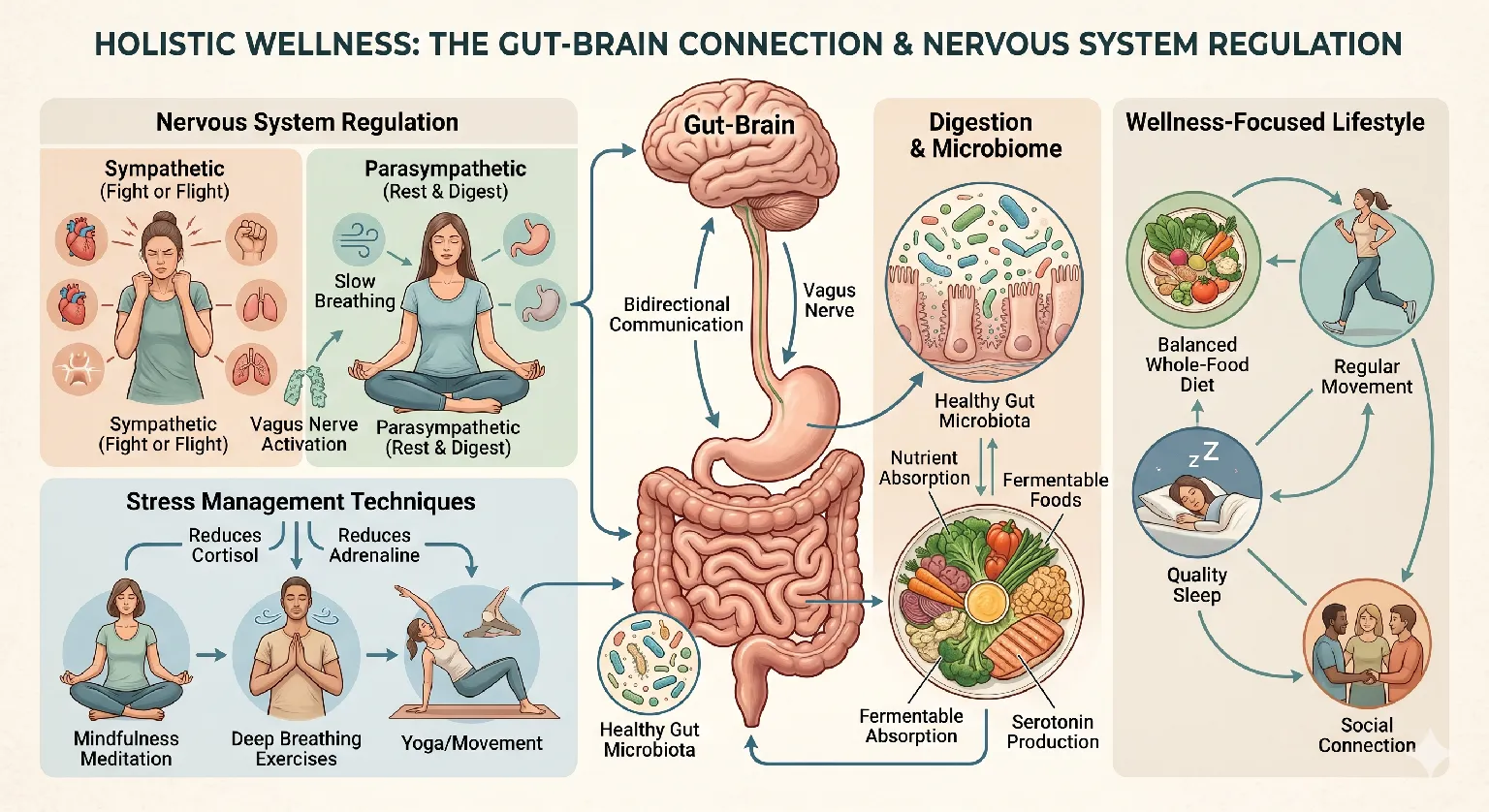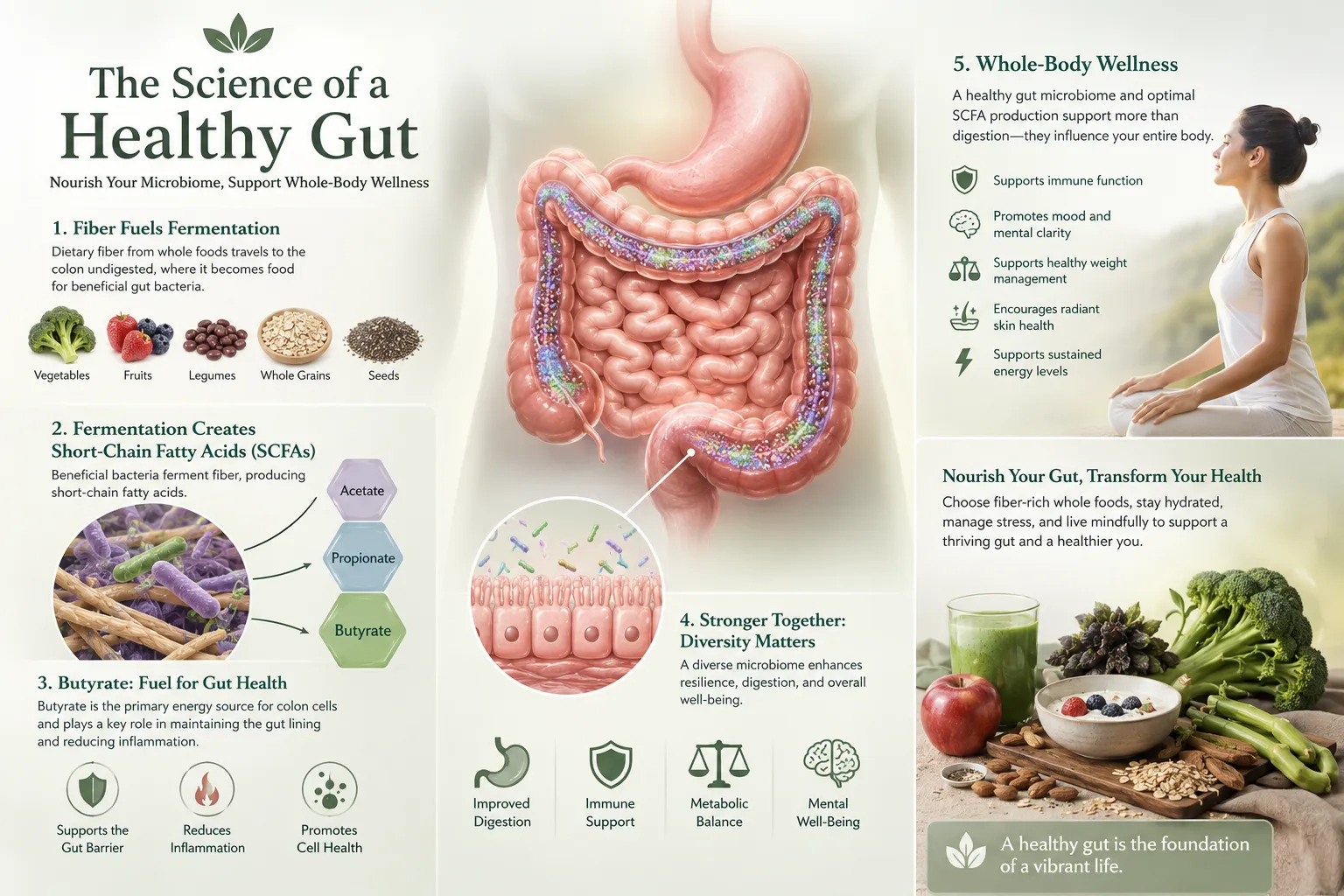
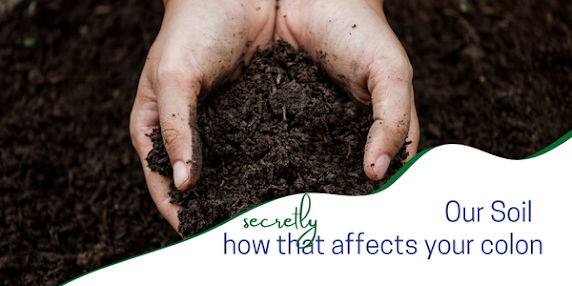
The soil and the human gut contain approximately the same amount of microorganisms. However, the human gut microbiome diversity is decreasing by 10% of Soil in biodiversity and has continued to reduce dramatically with the modern lifestyle. Through evolution, there is an ongoing environmental microbiome linkage between the soil microbiome and the human intestinal microbiome. From hunter-gatherers to current society, the human gut has lost diversity. People today have little contact with soil and feces; hygienic measures, antibiotics, and a low-fiber diet of processed food have led to a loss of beneficial microbes. The increasing use of agrochemicals, low plant biodiversity, and rigorous soil management practices have negatively affected biodiversity. These developments concur with increased lifestyle diseases related to the human intestinal microbiome.
How does this affect your colon:
Minerals are absorbed in the colon; Our bodies require a certain amount of vitamins and minerals for health and digestion. Our food bioavailability appears to be less in nutrients. Therefore we may require supplementation to achieve optimum nutrition.
Today find value in supplementing with minerals and or electrolytes. Magnesium is one of the critical minerals. It increases the amount of water in the intestines and aid in digestion. A recent meta-analysis shows that a higher magnesium intake seems to be associated with a modest reduction in the risk of Colon rectal cancer, particularly colon cancer (Chen et al. 2012).
We encourage our community to be mindful of the environment and how that effe
cts your health, If you are struggling with digestion and your health. We want to help. Let us know how we can help YOU today.
Chen, G. C., Pang, Z., & Liu, Q. F. (2012). Magnesium intake and risk of colorectal cancer: a meta-analysis of prospective studies. European journal of clinical nutrition, 66(11), 1182–1186. https://doi.org/10.1038/ejcn.2012.135